About this landmark
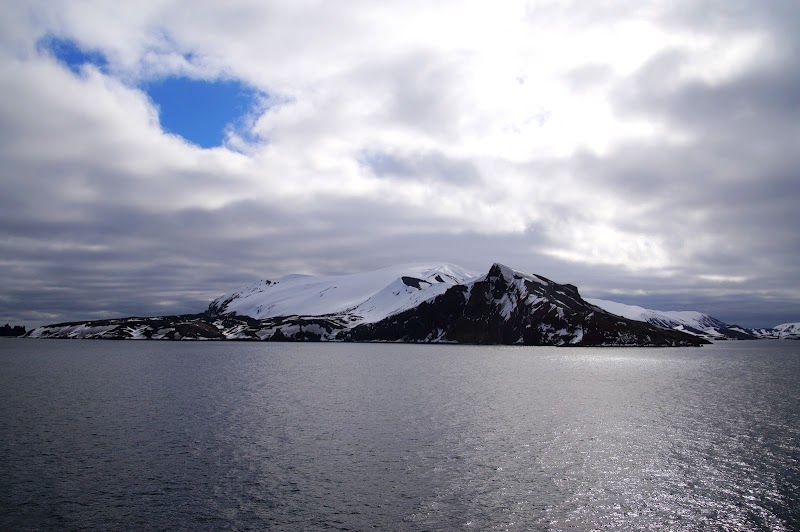
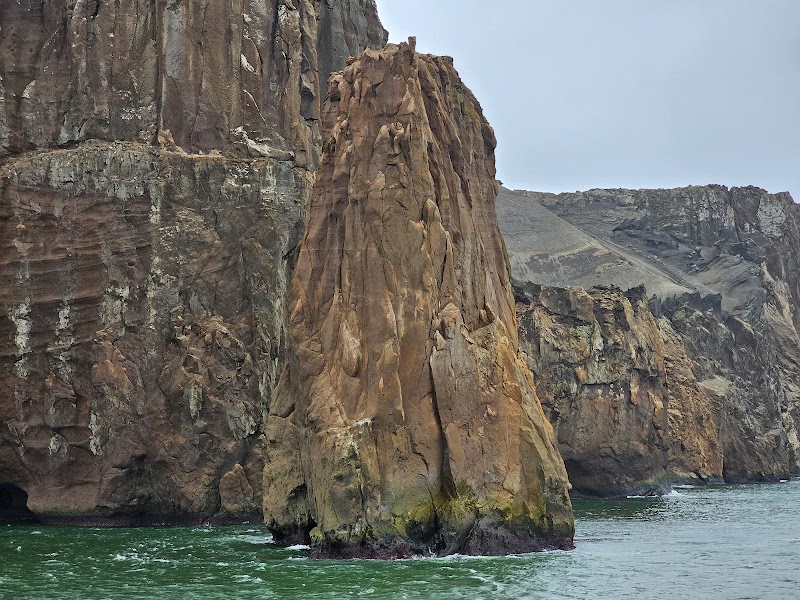
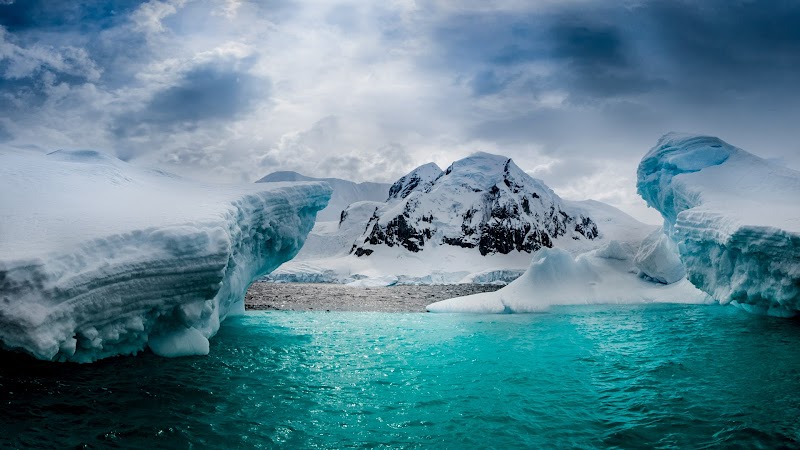
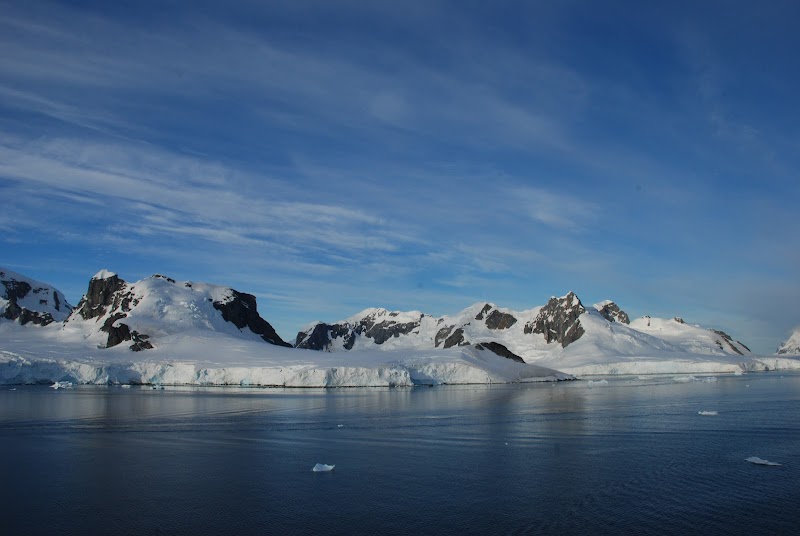
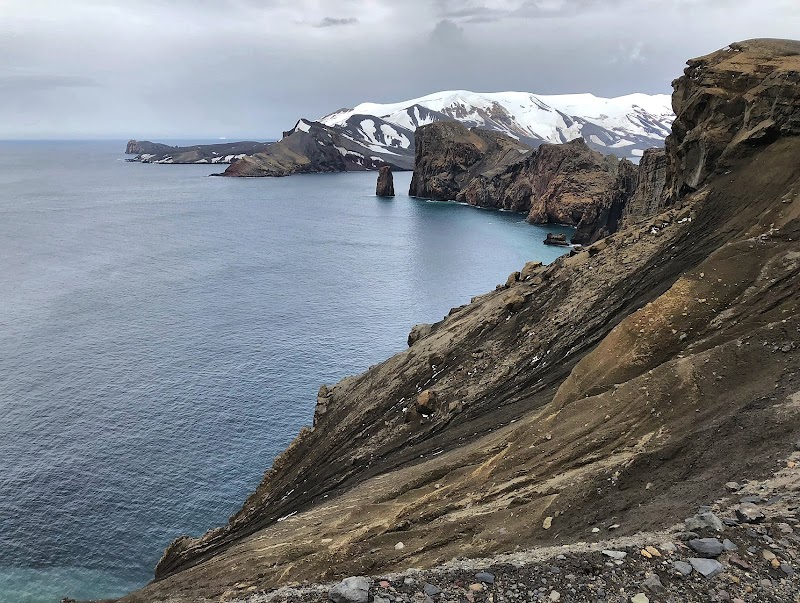
Deception Island, located in the South Shetland Islands of Antarctica, offers an extraordinary blend of ice and fire. This caldera, the remains of an active volcano, creates a natural harbor with steaming beaches and geothermal springs, providing visitors with a rare combination of Antarctic beauty and volcanic activity. The island's stark contrast between snow-capped peaks and black volcanic sand makes it a visual marvel, and its history as a former whaling station adds an intriguing cultural dimension. The constantly shifting landscapes, resulting from periodic eruptions, make Deception Island a dynamic and ever-changing destination for nature lovers and those seeking adventure in one of the most remote corners of the world. It's a unique opportunity to witness the volatile interaction between two extreme natural forces—earth's inner heat and the freezing Antarctic environment.
Adventure Guide
Adventure Guide to Deception Island
1. Whalers Bay Exploration
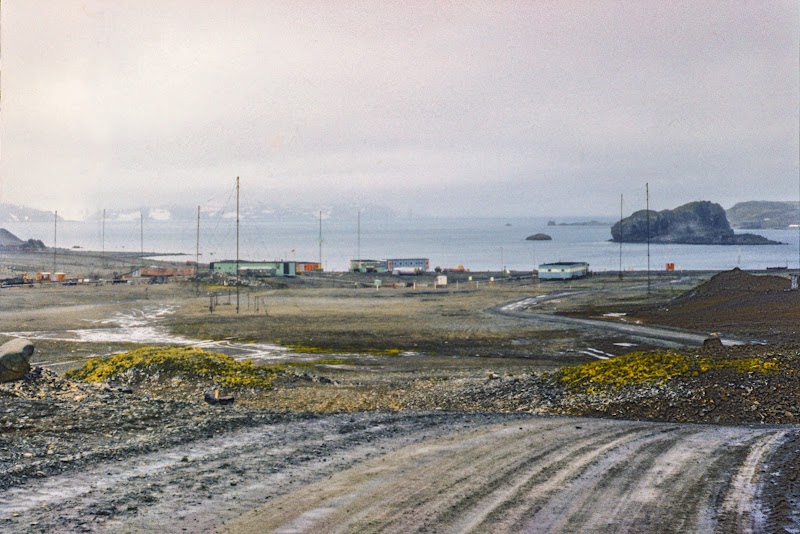
- What Makes It Special: Visitors can explore the old whaling station at Whalers Bay, where remnants of the island’s industrial past remain.
- Key Features: Abandoned buildings, boilers, and whale bones provide a haunting yet fascinating glimpse into early 20th-century whaling operations.
- Local Insights: Once a thriving center, the station was abandoned after a volcanic eruption in 1969.
- Visitor Tips: Best visited during the Antarctic summer. Bring warm clothing and waterproof boots for beach walks.
2. Geothermal Springs
- What Makes It Special: Experience soaking in natural hot water pools on a cold Antarctic day.
- Key Features: Shallow pools heated by geothermal activity offer a unique bathing experience.
- Local Insights: The water is heated by the volcanic activity beneath the island.
- Visitor Tips: Bring swimsuits and towels. Make sure to stay within guided areas for safety.
3. Hiking to Neptune’s Window
- What Makes It Special: This hike offers breathtaking views of the Bransfield Strait and the Antarctic Peninsula.
- Key Features: A short climb to the top of the caldera rim reveals expansive vistas of the surrounding seas and mountains.
- Local Insights: Legend says the explorer Nathaniel Palmer first viewed the Antarctic mainland from this spot in 1820.
- Visitor Tips: Always check weather conditions before hiking and carry snacks and beverages.
Visitor Tips
- Best Times:Summer for favorable conditions and optimal lighting.
- What to Bring:Plenty of water, sun protection, a camera, and respectful Leave-No-Trace mindset.